

.svg)

Back to all articles
Caregiving is Not a One-Size-Fits-All. Identity, Inequity & the Road Ahead
Caregivers are as diverse as the people they care for. And those intersections — of age, identity, income, and community — shape every part of the experience.
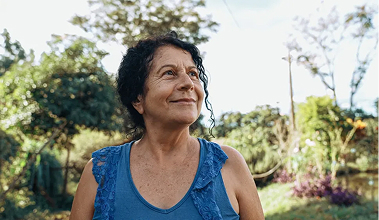
This final entry in my three-part series explores how caregiving shows up across different lives and lived realities—and how those layers often compound the challenges.
💞 By Relationship with Recipient:
Thanks for reading! Subscribe for free to receive new posts and support my work.
- Over half of caregivers support aging parents yet a third of recipients are spouses, siblings, friends, or neighbors—care isn’t always generational
- Notably, 79% of care recipients have >2 chronic conditions—more medications, care plans, specialists etc. increase complexity and the work of care
- Care burden is not equally distributed—spousal caregivers spend nearly 2x the average hours per week
👥 By Age:
- The average caregiver is 49 years old—the ‘Sandwich generation’ juggling careers, children, and aging parents. It is a period where responsibilities are greatest and burnout is a real danger
- Millennials and Gen Z are stepping into caregiving roles faster. But they face added pressures: lower income, less experience, and thinner support networks. On the bright side, they’re more open to seeking help and using tools to manage the load.
🌎 By Ethnicity and Income:
- Hispanic, Asian, and Black caregivers often begin their roles earlier and care for recipients with more complex health needs.
- Women in BIPOC communities, particularly those earning under $35K/year, carry a heavier burden—spending more time and doing more physically demanding care.
🏡 By Living Arrangement & Location:
- Caregivers living with the recipient provide 37 hours/week; those living apart average 24 hours/week
- Coordination, especially across households and systems, is a major stressor
- Rural caregivers face additional layers—long travel time to access care, social isolation, and fewer local resources
- High-cost urban areas are more likely to result in multigenerational households to reduce cost—it is an often ignored dimension of the affordability crisis
- Shortages of geriatricians and home health aides are more pronounced in rural and underserved urban communities—specialists for Alzheimer’s or Parkinson’s likely don’t exist locally
Caregiving is deeply personal—and profoundly systemic.
The people holding up our care infrastructure need more than gratitude.
They need recognition.
They need platforms that work for them.
They need policies that match the complexity of the work.
They deserve to be seen.
Join me on my Substack: Caregiving, Practically Speaking, for more stories, tools, and truths from the frontlines of caregiving.
.jpeg)
When the Healthcare System Relies on Invisible Labor
The unseen coordination work that makes medical care possible

Unpaid, Undervalued, Unseen: The Economic & Emotional Toll on Family Caregivers
Up to 1 in 3 Americans are caregivers, often without recognition, support, or pay. Many are mentally, emotionally, physically, and financially drained.

The State of Caregiving in America
The aging of America is accelerating. So is the demand for care — and we're not ready
%201%20(1).svg)


.png)
.png)