


Back to all blogs
Because WE Care: Sorting through More than Belongings
A heartfelt discussion about re-contextualizing going through the belongings of your loved one - there is more to it than just 'stuff'
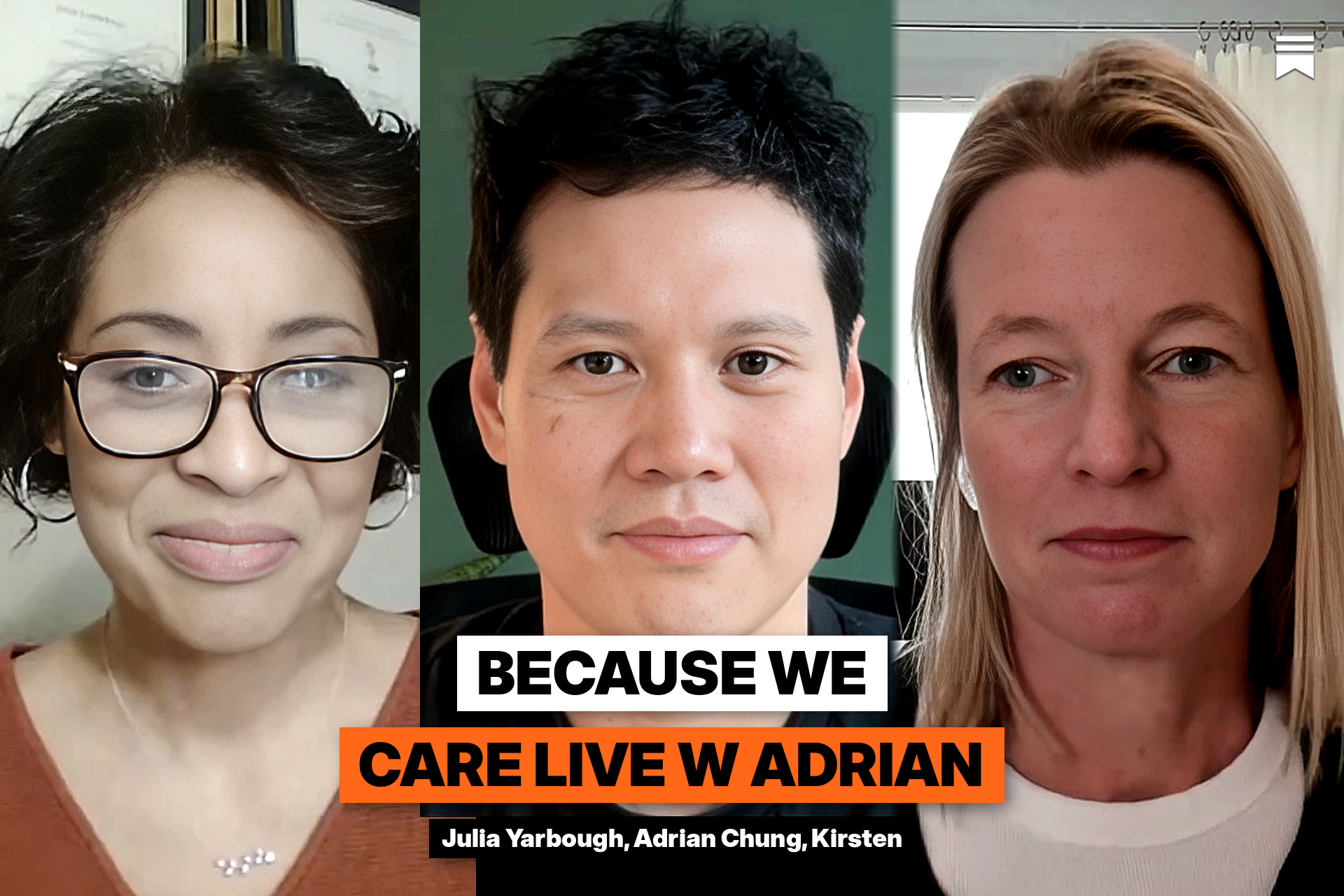
In our second installment, Kirsten Mau , Julia Yarbough , and myself dived into the complex aspects of going through the belongings of your loved one, either during the milestones of moving them into your own home, or the process of clearing out after their passing.
We often refer to our parents’ belongings as ‘stuff’ - removed of context or connection but without these, we misunderstand their importance and risk losing sight of the broader picture. The ramifications of ignoring these aspects will likely only emerge later and we may regret choices we can’t go back on.
Kirsten discussed how we need to ‘flip the conversation’ by reintegrating the history and significance of your loved one’s belongings. By starting with their importance, it helps build your loved one’s confidence and muscle in the decision-making process. So that when it comes to making decisions whether to keep, dispose, or donate - there is the knowledge it is being done with kindness and intentionality.
Julia talked about how she learnt more about her mother’s history, and relived past family moments as they went through old items. Every gift and card her mother had received from her children had been carefully put away, and they became reminders of time past, which they could share and discuss.
There is also understanding the significance of belongings, not just to your loved one, but yourself and broader family. For Kirsten, it came up in discussions about the family crystal and a certain mythology that had been built around the set - even if it wasn’t entirely true! But it highlighted the meaning that items can hold and as a caregiver, you can decide whether or how to carry it into the future, after your loved one’s passing, and whether you want to pass it onto following generations.
There was a moment of pain when Julia expressed her deep regret at not digitizing the thousands of family photos her mother had kept, only for them to be destroyed in a wildfire. Being a victim of California wildfires, I had heard of the horrors she encountered in the moment, and while she has remarkably bounced back, I could see the lingering pain at the loss of not having a record of those cherished moments that had been captured in celluloid.
On a more contemporary note, as I consider moving Mum in with me, we talked about the process of merging households. For Julia, it was the experience of holding onto 3 set of silverware (hers, her husband’s and her mother’s) whereas for me it will be holding onto… bowls. Cereal, rice, or noodle bowls; white china or intricately patterned - we truly have too many to count!
Similarly, Mum has cherished pieces of furniture she wants to bring - two Italian leather chairs and a sectional couch, we had in our old family home. For me, it means finding space in our home for them, but the big picture is that they are crucial to ensuring she feels that her new dwellings will be her home and not just a roof over her head.
I can’t deny that I exhibit some hoarding tendencies and I accept that there will be friction when mine clashes with Mum’s tendency to holding onto items too. It can be as much a talking point but note that hoarding can also be a sign of cognitive decline. Consider it in the broader picture of your loved one’s behavior and whether it would be helpful to have a psychological assessment.
There was plenty more that was covered and we hope the talk helps you reframe that your loved ones possessions shouldn’t be just regarded as a logistical nightmare, or junk - but can be opportunities to create connection, share in reliving moments with your loved one, and think about what to hold onto and share with future generations.
Join me at care4caregivers.substack.com for more stories, tools, and truths from the frontlines of caregiving.




Thanks for joining the Carevation list.

Carevation is a digital platform that helps caregivers manage appointments, medications, and the daily work of care — all in one place.

